How to Build a Balanced Gluten Free Diet Plan
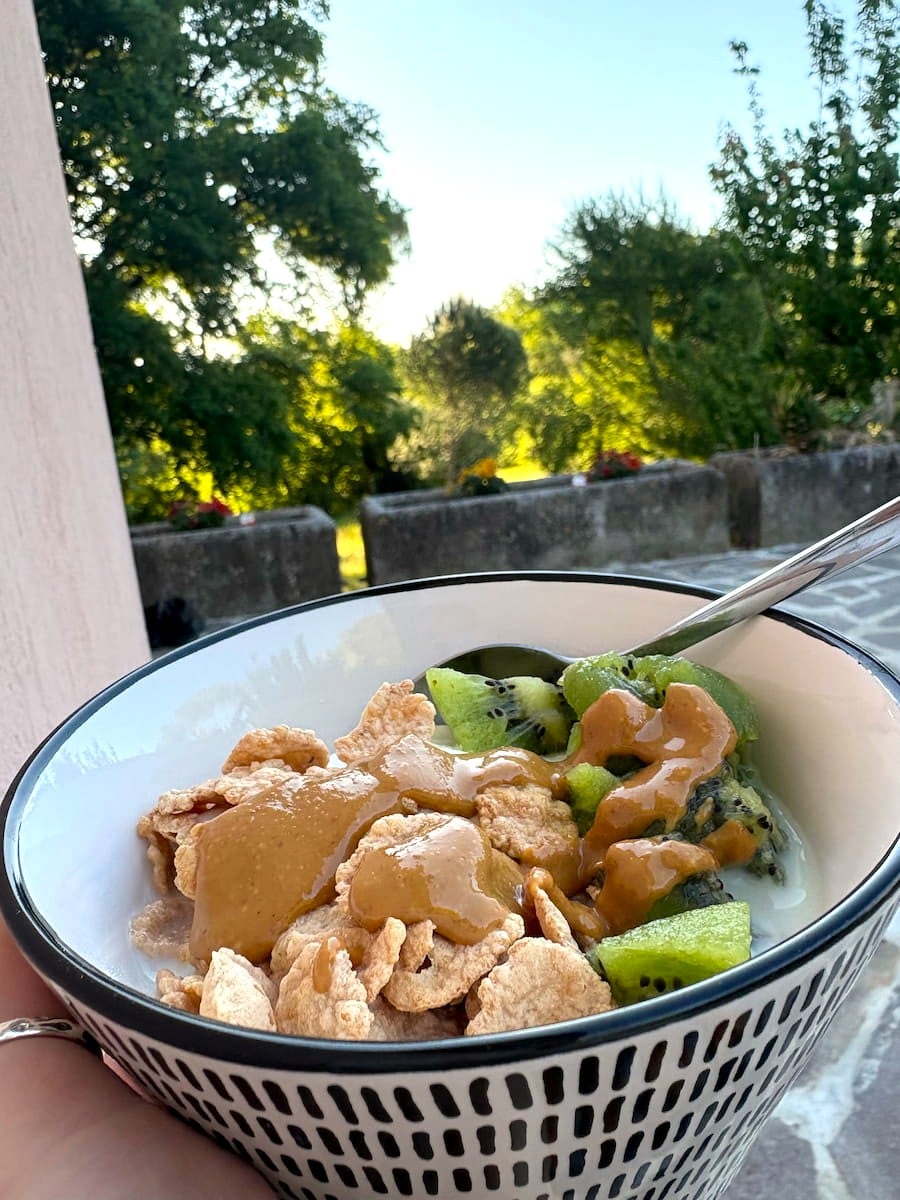
Search "gluten free diet plan" and you'll mostly find generic gluten free food lists and a few meal ideas: regular bread becomes gluten free bread, regular pasta becomes gluten free pasta, and rice suddenly takes centre stage. It looks simple enough, but a genuinely balanced gluten free diet plan is about more than swapping staples.
Where a lot of gluten free meal plans fall short
In Australia, wheat flour used for bread-making is fortified with folic acid and thiamin (vitamin B1), but gluten free flours and most gluten free packaged products generally aren't. That means if much of your diet comes from gluten free bread, pasta and packaged snacks, you can end up with less fibre, folate and thiamin than you were getting before, even though you're eating "gluten free" in the technical sense.
This isn't about guilt. There's nothing wrong with relying on substitute products. The fix is simpler than it sounds: shift what your plate is built on.
The building blocks of a balanced gluten free plate
Rather than starting with "what's the gluten free version of this," start with the actual food itself.
Protein: Meat, poultry (chicken, turkey), fish, eggs, plain tofu, legumes. Aim for a quarter to a third of your meal to come from a good-quality protein.
Carbohydrates: Rice, quinoa, buckwheat and starchy vegetables like potato and sweet potato. Experiment with the different coloured varieties, such as wild, red, black or white rice, and white, red or tricolour quinoa. The different colours provide various micronutrients and antioxidants!
Fruit and vegetables: As varied and colourful as you can manage across the week. This is where a lot of your fibre, folate, vitamin C and other micronutrients and antioxidants come in. Try to make a third to a half of your meal vegetables or salad.
Dairy (or a calcium equivalent): Milk, yoghurt, cheese (or a calcium-fortified alternative if you don't eat dairy). It's worth paying attention to calcium-rich foods, as bone health can be a consideration in coeliac disease.
Healthy fat: Olive oil, avocado, nuts and seeds.
Of course, gluten free packaged products still have a place. They're useful for convenience, can be a helpful fibre top-up (if the product is higher in fibre), or are simply a tasty addition so you feel a little less like you're missing out. The key is treating them as a thoughtful addition to a diet built on whole foods, rather than the basis of every meal or snack.
A sample day of gluten free eating, built this way
Breakfast: Greek yoghurt with fruit, wholegrain gluten free cereal and a sprinkle of seeds.
Lunch: A nourish bowl with tri colour quinoa or brown rice, a protein of your choice, oven-roasted vegetables or mixed salad and a simple dressing.
Dinner: Grilled salmon, roasted sweet potato, and a big side of greens.
Snack options: Fresh fruit / a handful of nuts and roasted chickpeas / yoghurt with berries and nut butter / vegetable sticks with hummus and sliced cheese / gluten free grain toast with avocado or peanut butter.
Frequently Asked Questions
Is a gluten free diet plan the same as a coeliac diet plan?
They overlap, but they're not identical. Coeliac disease requires a strict, lifelong gluten free diet with attention to trace gluten and cross-contamination, plus medical monitoring over time. Someone eating gluten free for other reasons may not need to be as strict, though the principles of building a balanced plate are the same either way. If you're still being investigated for coeliac disease, keep eating gluten until your testing is complete, as going gluten free beforehand can make results unreliable.
What if I feel unwell even though I'm eating gluten free?
This is worth raising with your doctor (or dietitian) rather than guessing by yourself. It could be related to other gut triggers, for example FODMAPs, rather than gluten itself, particularly if you don't have coeliac disease. Non-coeliac wheat sensitivity and irritable bowel syndrome can also look similar in their symptoms, but will need different management.
Do I need to worry about nutrient deficiencies on a gluten free diet?
It's worth keeping an eye on, particularly fibre, iron, folate and B vitamins. Many gluten free packaged staples aren't fortified the way bread-making wheat flour is in Australia, and iron in particular can be a concern in coeliac disease. Building your diet around gluten free wholegrains, legumes, nuts, seeds and plenty of vegetables is a good first-line strategy.
Which foods contain hidden gluten?
Stocks, gravies, mayonnaise, certain sauces (especially soy sauce and barbecue sauce), spice blends, and some processed and deli meats are common ones. Label checking soon becomes second nature, though it catches many people off guard at first.
Will I be able to enjoy going out to eat or travel again?
Eating out and travelling in Australia has genuinely got easier, with more cafes and restaurants offering clearly labelled gluten free options than even a few years ago. It still takes a bit of planning, particularly for travel, and that's a topic worth its own guide down the track.
Rhiannon is an Accredited Practising Dietitian with experience in coeliac disease and gut health, and lived experience of coeliac disease and IBS herself. She offers telehealth consultations Australia-wide.
Looking for more guides? Head back to the GF Dietetics Blog